As an immigration attorney, I’ve heard many painful stories, especially from immigrant parents who face life in the U.S. without legal status and endure violence at home.
Hello again, my people! I’m attorney María Mendoza, immigration law specialist in the United States. Today, I want to explain how the VAWA law can protect those who are going through these difficult situations. To do so, I’ll present a hypothetical case inspired by real experiences:
We’ll call her “Victoria,” an immigrant mother who endured years of abuse from her son. Through this example, we’ll see how the VAWA Visa can become both an exit and a source of hope for those silently suffering in similar situations. Join me!
A Hardworking Immigrant Mother and an Abusive Son
Like many others, Victoria came to the United States without documents in search of a better life. She had several U.S.-born children, but one of them—a 32-year-old U.S. citizen—became one of her biggest concerns.
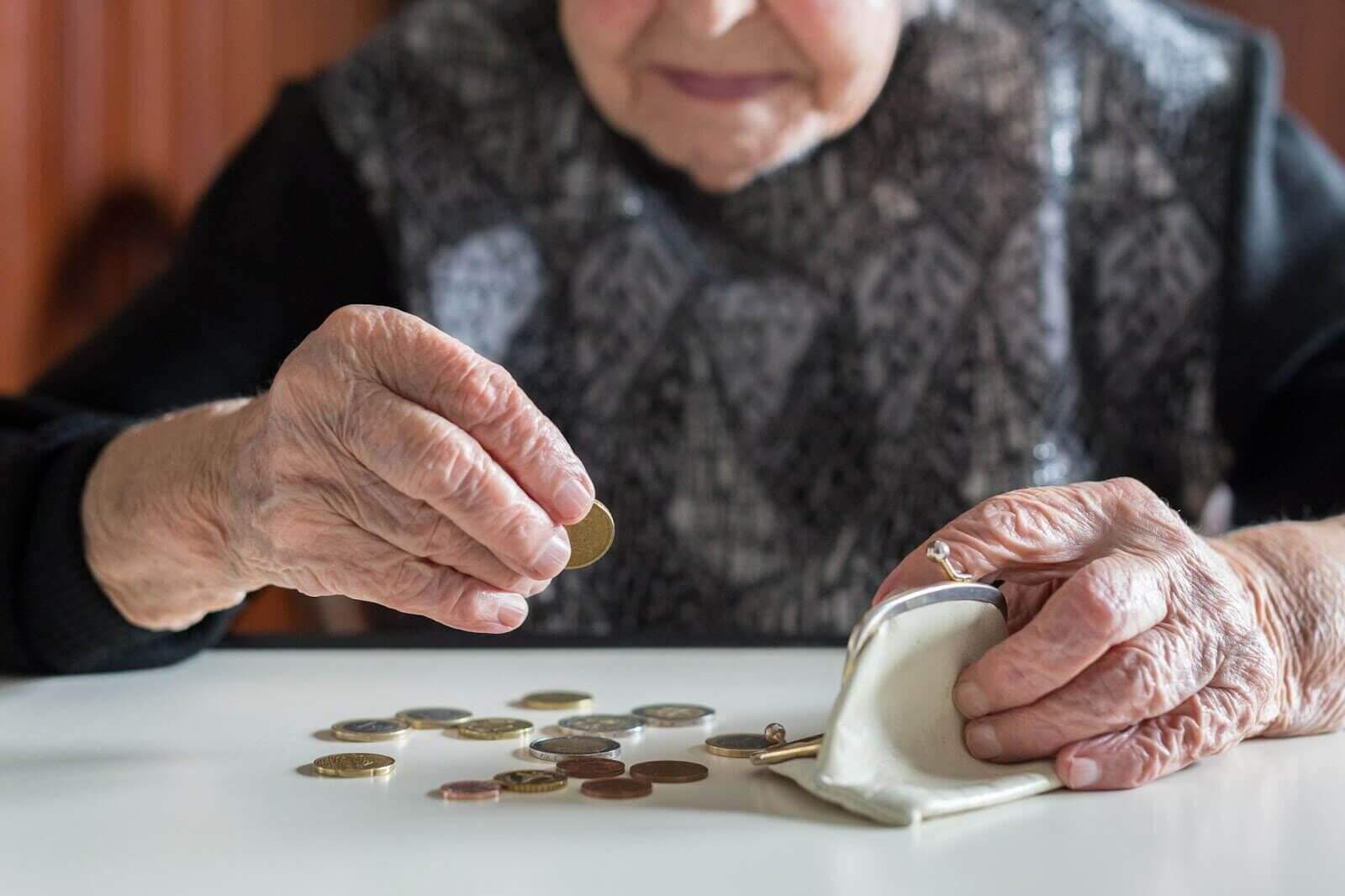
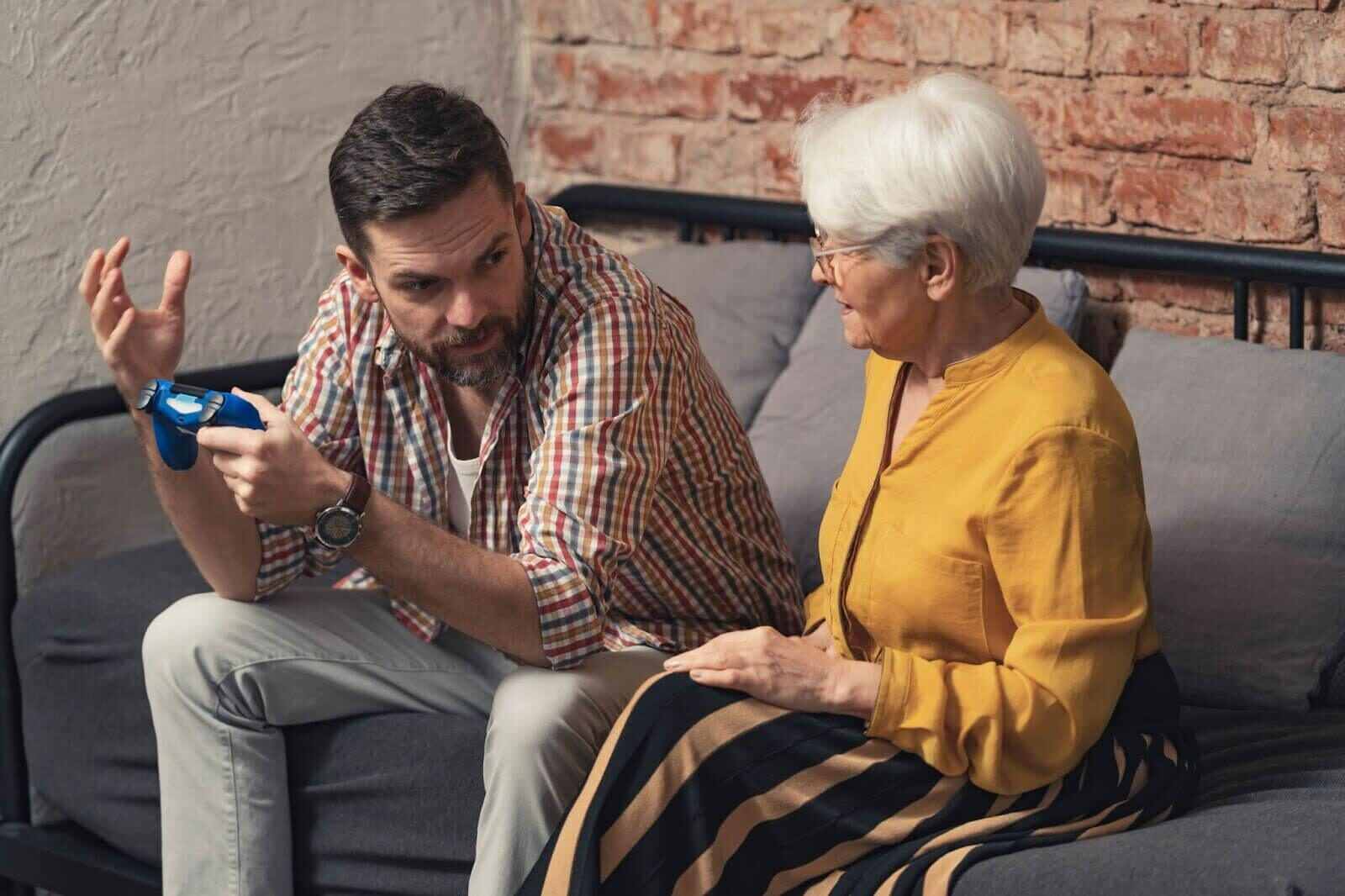
Throughout his life, this son lived under Victoria’s roof, and although he occasionally held temporary jobs, he hadn’t contributed anything to the household in years. On the contrary, he demanded food, money for video games, clothes, and even cash for his wants. While Victoria worked and supported him, whenever she couldn’t give him what he asked for, he reacted with yelling, insults, humiliation, and threats: “If you don’t give me money, I’ll call immigration,” he would say.
Physically large and intimidating, her son used his presence to make his mother—petite and slender—feel unsafe and fearful in her own home. And that wasn’t all…
I explain more in this video: I’m having some “little problems” with my U.S. citizen son. Can I apply for papers through VAWA?
Financial Abuse Is Also Violence
Many people think abuse has to be physical to be taken seriously. But financial abuse, threats, and constant humiliation are also recognized under U.S. immigration law as valid forms of domestic violence.
Verónica’s testimony alone could support a VAWA case. Still, any extra evidence can further strengthen her self-petition. For example, if she obtains security camera screenshots showing her son yelling, demanding money, and insulting her, these can be key evidence.
While USCIS does not require this evidence, providing it helps explain and contextualize the yelling, threats, manipulation, financial abuse, isolation, and fear.
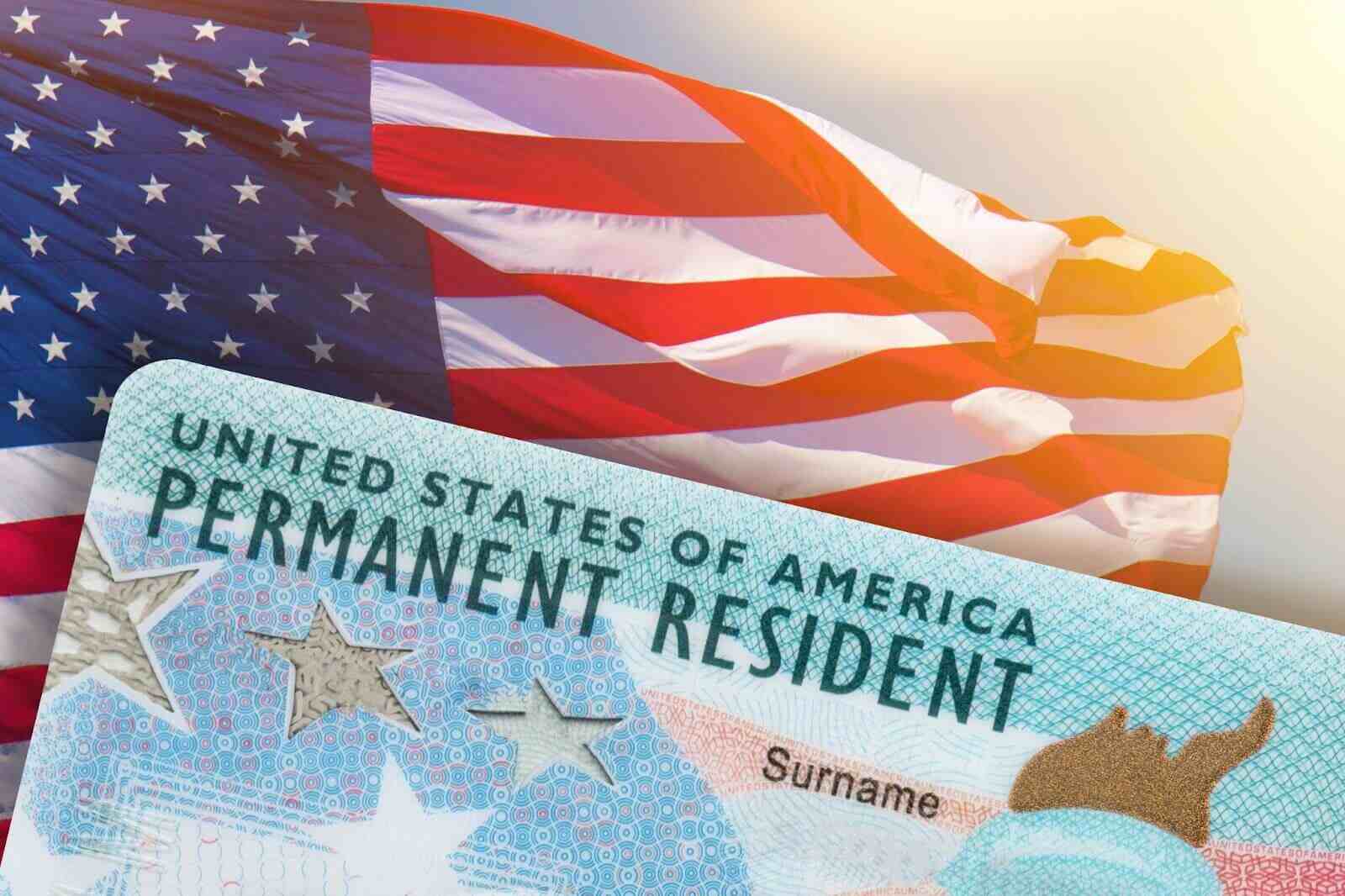
In this situation, Victoria could have her VAWA petition approved and also gain key benefits: protection from deportation, a work permit, and a chance to apply for permanent residence (a Green Card) without involving her abuser.
Also see: What Types of Abuse Qualify for the VAWA Visa?
Are You Going Through Something Similar?
Unfortunately, this is not an isolated case. As I mentioned, many immigrant parents are suffering in silence, especially when their adult U.S. citizen children mistreat or manipulate them because of their undocumented status. Besides supporting their children financially, they are humiliated in their own homes and live in fear every day.
To all those facing something similar, I want to say this clearly: You are not alone, mi gente. Even if you entered the U.S. without documents, have past deportations, multiple entries and exits, or certain prior offenses, none of that justifies living under abuse. The law protects you, regardless of your immigration status.
The VAWA Visa was created and passed by the U.S. Congress as a pathway for survivors of abuse—emotional, psychological, verbal, financial, or physical—by U.S. citizen or lawful permanent resident family members over 21 years old.
For a free case evaluation, call +1 (202) 933-3379
What Is the VAWA Visa and Who Qualifies?
The VAWA visa is a humanitarian option that allows survivors of family-based abuse to apply for legal immigration status without the abuser’s involvement.
You may qualify if:
-
You are or were married (within the past two years) to a U.S. citizen or lawful permanent resident and suffered abuse by your spouse.
-
You are the parent of a U.S. citizen over 21 who has abused you.
-
You are the child of an abusive U.S. citizen or lawful permanent resident.
Most importantly, the process is 100% confidential. Your abuser doesn’t have to sign anything, won’t be notified, won’t have a criminal record from this process, and won’t be negatively impacted in any way. This was especially important for Victoria. Despite everything, she didn’t want to hurt her son.
Read more about it: Will VAWA affect my abuser? Know the truth and your rights.
Are You Being Threatened Over Immigration Papers?
Another way the VAWA visa can help is if someone is using your immigration status to control or threaten you. For example, they may:
-
Threaten to cancel your I-130 family petition
-
Threatened to report you to immigration authorities
-
Use your undocumented status to manipulate or control you
These are also recognized as abuse, even if there’s no physical violence involved. If you’re experiencing this kind of situation, it’s critical to consult an experienced immigration attorney right away. What you’ve endured in silence may be exactly what qualifies you for a VAWA Visa and a path to obtain legal residence status in the U.S.
Need Help?
Growing up as the daughter of an immigrant mother and experiencing family-related trauma shaped who I am. That pain—but also that resilience—is what led me to study law and dedicate my life to helping my immigrant community.
Today, with over 15 years as an immigration attorney, I’m proud to have helped hundreds of people obtain legal status through the humanitarian visas: VAWA, T Visa, and U Visa. Each case is different, but many carry the same pain—and the same hope: a life of freedom and safety.
If you or someone you know is experiencing family abuse and needs help getting legal status in the U.S., schedule a free case evaluation with my team. At The Mendoza Law Firm, we’re here for you. You don’t have to keep living in fear.
¡La lucha sigue!
Call or text +1 (202) 933-3379 or complete a Free Case Evaluation form