Many people applying for a VAWA Visa often feel fear, shame, or distrust when it comes to sharing the abuse they’ve lived through. But remember, this humanitarian visa was created precisely to protect immigrants who have faced domestic violence at the hands of a U.S. citizen or lawful permanent resident spouse, parent, or child over 21.
Hi again, my friends! This is your immigration attorney, María Mendoza. Over the past 15+ years, I’ve had the privilege of helping hundreds of people through this process. And here’s something important I want you to know: physical evidence is not a USCIS requirement to win a VAWA Visa case. A detailed and truthful testimony alone can be enough.
That said, certain types of evidence could strengthen a VAWA Visa petition and increase your chances of approval. In this article, I’ll share 3 key pieces of evidence that, when added as context to a case, could help to support a VAWA petition.
Learn more here: How does the VAWA visa work?
1. Your Detailed Testimony: The Foundation of Your Case
Immigration law allows a VAWA petition to be approved based solely on your personal declaration. This means a written and signed statement where you explain in detail:
-
The abuse you experienced
-
How it affected you emotionally, physically, legally, and/or financially
-
Specific examples that show a pattern of abuse
Your testimony should be as clear and honest as possible. You don’t need to exaggerate, and you don’t need to use legal terms—the most important thing is that it reflects your real story. USCIS looks for consistency and credibility.
To draft the statement, it is essential to work closely with an immigration lawyer. They can structure it solidly and strategically, adding evidence or details that can better prepare the case.
2. Additional Evidence of Abuse
Even though a truthful testimony can be enough, having outside evidence can give a VAWA case even more weight. Some common examples include:
-
Text or voice messages with insults, threats, or humiliation
-
Records of excessive phone calls as a form of control
-
Photos of broken objects after an incident of domestic violence
-
Medical documents related to injuries or abuse
-
Police reports or restraining orders
-
Witness statements (neighbors, family, friends, or community leaders)
-
Psychological evaluations showing the emotional impact of the abuse
-
Security camera footage or recordings of abusive incidents
Not everyone has access to these types of evidence, and that doesn’t mean the case can’t be won. But when available, they can help USCIS better understand the seriousness of the situation.
3. Proof of a Good-Faith Relationship
A crucial part of the VAWA Visa is showing that the marriage or relationship was real, not just for immigration purposes. Some examples include:
-
Marriage certificate
-
Birth certificates of children together
-
Joint leases or shared bills
-
Family or couple photos
-
Official mail or correspondence under both names
These documents don’t prove abuse directly, but they do help demonstrate that the relationship was genuine, and the petition is legitimate.
Watch this video: Evidence Needed for a VAWA Visa.
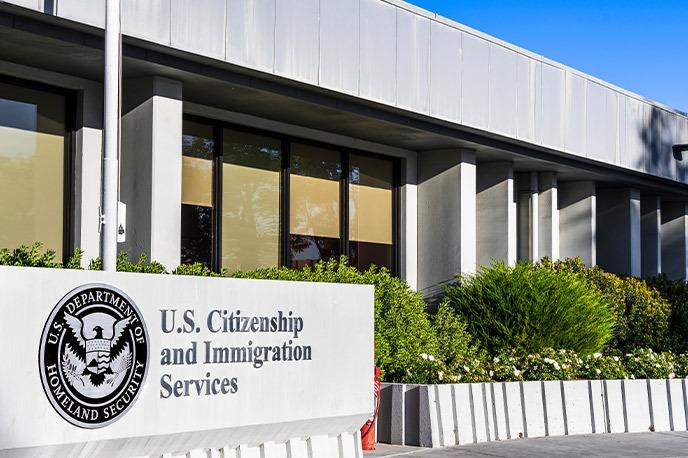
The VAWA Interview with USCIS: What to Expect
In some cases—especially when filing a VAWA along with an Adjustment of Status—USCIS may schedule an interview. During this appointment, an officer may ask about:
-
Knowledge of applying under VAWA
-
Details of the abuse mentioned in the declaration
-
Examples of how the abuse affected
-
Proof that the relationship was in good faith
I know talking about the experiences can be painful, but preparation is key. Practicing with an attorney beforehand can strengthen confidence and calmness when answering questions.
How Long Does It Take for VAWA to Be Approved?
Due to the stricter policies under the Trump Administration, review times have become longer and more rigorous. On average, it may take 3 to 4 years to receive a decision. However, if filing the VAWA along with an Adjustment of Status, it is possible to get temporary benefits within a few months, such as:
-
Employment Authorization Document (Work Permit)
-
Social Security number
-
Travel permit (in some cases)
These benefits typically arrive 3 to 8 months after filing, depending on the case and USCIS processing times.
You may also be interested in: 3 Ways to Get a Work Permit in the U.S.
You Are Not Alone in This Journey
The VAWA Visa is a real opportunity to live free from violence and start a new chapter in the U.S. with dignity and safety. It’s proof that your voice matters, your story counts, and your courage can open the door to permanent residency.
If you or someone you know may qualify for this humanitarian visa, don’t wait—schedule your free evaluation today. At The Mendoza Law Firm, we’ve helped many clients win their VAWA cases and rebuild their lives. If you need guidance, we are here to listen and support you.
¡La lucha sigue!