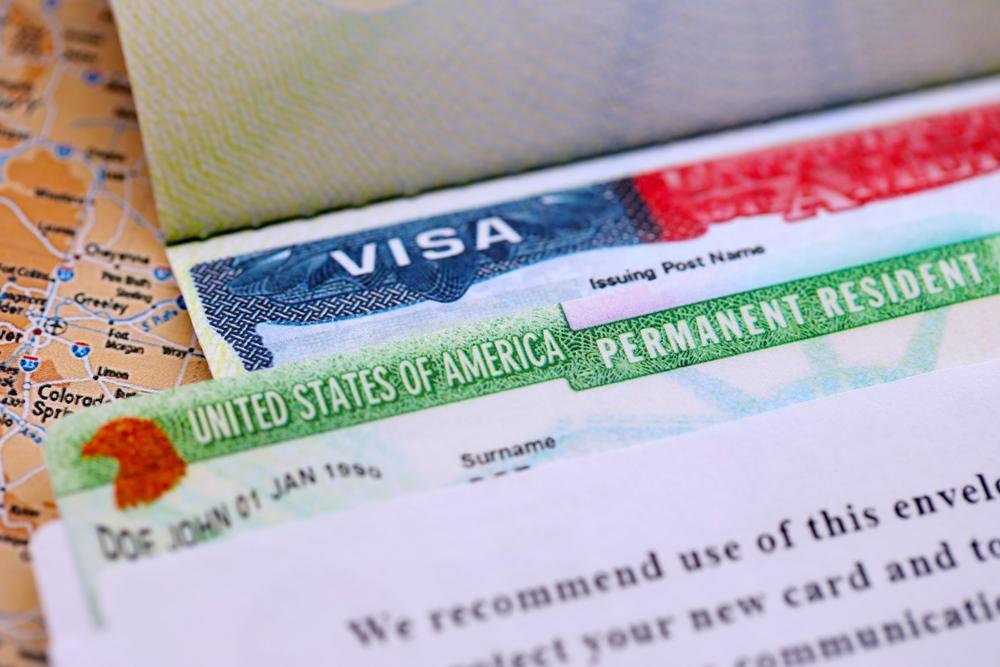
What you should carry to avoid deportation includes your green card, visa, Employment Authorization Document, passport, or any USCIS approval notice that corresponds to your specific immigration status. Any of these could be what stands between you and a potentially life-altering deportation encounter.
If you’re wondering what to carry to avoid deportation, our immigration lawyers can help. Carrying proper immigration documentation with you at all times is one of the most important steps you can take to protect yourself from deportation.
Do not wait until there is a problem to get legal guidance. Immigration law is complicated, and what you need to carry depends heavily on your specific immigration status. The safest step you can take is to speak with an experienced immigration lawyer who can review your situation and confirm which documents apply to you.
Documents to Carry Based on Your Immigration Status
Your immigration status determines exactly which documents you should carry to avoid deportation. There is no one-size-fits-all answer, but here is a breakdown of what applies to the most common situations.
Lawful Permanent Residents
If you are a green card holder, your Permanent Resident Card, commonly known as a green card, is the most important document you can carry. Federal law actually requires lawful permanent residents who are 18 and older to carry their green card at all times.
Beyond the card itself, it is a good idea to also keep a copy of any recent USCIS notices or approval notices related to your status in case your card is lost, expired, or being renewed.
Visa Holders
If you are in the United States on a non-immigrant visa, such as a student visa, work visa, or tourist visa, you should carry your passport with the valid visa stamp and your I-94 arrival and departure record. Your I-94 shows the terms of your admission and how long you are authorized to stay.
Keeping a printed or digital copy of your I-94 is wise since it is now primarily an electronic record. Depending on your visa type, you may also want to carry supporting documents such as your employment authorization card, school enrollment verification, or a letter from your employer.
DACA Recipients
If you have Deferred Action for Childhood Arrivals status, you should carry your Employment Authorization Document at all times.
While DACA does not provide a path to permanent residence, your EAD serves as evidence that you have been granted temporary protection from deportation and are authorized to work. Keep your approval notices stored safely at home as backup, and stay on top of renewal deadlines so your status never lapses.
Asylum Seekers and Those with Pending Cases
If you have a pending asylum application or any other open immigration case, carry your filing receipt notice from USCIS, which confirms that your case is active. You should also carry any work authorization documents you have been issued and, if possible, a document that shows your next court date or hearing information.
For a free case evaluation, call +1 (202) 933-3379
Why is It So Important to Carry the Right Documentation?
When immigration enforcement officers stop someone, one of the first things they look for is evidence of lawful presence in the United States. If you cannot demonstrate your status on the spot, it can create serious complications, even if you are in the country legally.
Officers are not required to give you time to go home and retrieve paperwork, and gaps in what you can show them can quickly escalate a routine encounter. Carrying the right documents with you every day is a simple but powerful way to protect yourself and reduce the risk of detention or removal proceedings being initiated against you.
Additional Documents Everyone Should Consider Carrying to Avoid Deportation
Regardless of your specific immigration status, there are several documents and items that can be helpful in any enforcement encounter:
- A government-issued photo ID, such as a state ID or driver’s license
- Copies of any USCIS approval notices related to your current status
- A card with your immigration attorney’s contact information
- Emergency contact information for a trusted family member or friend
- A written note, prepared with your attorney’s help, reminding you of your right to remain silent and your right to speak with a lawyer
Never carry documents that are expired, fraudulent, or belong to someone else. Presenting false documentation to an immigration officer is a serious offense that can permanently damage your immigration case and your ability to remain in the country.
Click to contact our immigration lawyers today
What to Do if You are Stopped
Knowing what to carry is only part of the equation. You also need to know how to conduct yourself if you are ever stopped by immigration enforcement.
You have the right to remain silent and are not required to answer questions about your immigration status, where you were born, or how you entered the country. You have the right to speak with an attorney before answering questions.
Do not run, do not resist, and do not sign any documents without first consulting a lawyer. Invoking your rights calmly and clearly is not an admission of guilt. It is a legally protected action that can protect you from making statements that could be used against you later.
Complete a Free Case Evaluation form now
Call Mendoza Law Today to Speak to an Experienced Immigration Lawyer
Now you know what to carry to avoid deportation. Carrying the right documents and knowing your rights are two of the most practical things you can do to protect yourself from deportation in your day-to-day life.
But documentation alone is not a complete defense. Immigration law is always changing, enforcement priorities shift, and your individual circumstances matter enormously when it comes to determining the best way to safeguard your status.
Attorney María has over 16 years of experience fighting for immigrants’ rights and is dedicated to helping clients understand their options and stay protected. Visit our blog to learn more about immigration law and find answers to the questions that matter most to you and your family.
Call or text +1 (202) 933-3379 or complete a Free Case Evaluation form