Voluntary self-deportation carries serious legal, financial, and personal risks, including potential reentry bars, loss of immigration benefits, separation from family, and long-term consequences that can permanently affect your ability to return to the United States legally.
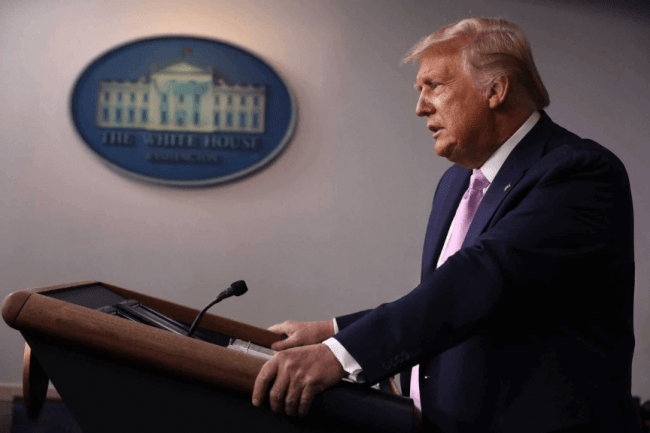
On May 9, 2025, President Donald Trump signed a new executive order offering free flights and a cash incentive to undocumented immigrants who choose to self-deport voluntarily from the United States. While this offer might seem attractive, you need to know the potential risks before making any decisions.
Attorney María Mendoza can help you understand this order from the current administration, and an Arlington deportation defense lawyer from our immigration team can explain the answer to, “What are the risks of voluntary self-deportation?”
What Is Voluntary Self-Deportation?
Voluntary self-deportation, also known as voluntary departure, occurs when a non-citizen chooses to leave the United States without being formally removed by immigration authorities.
While it may seem like a proactive or cooperative choice, it is far from a consequence-free decision. Many immigrants mistakenly believe that leaving voluntarily will make it easier to return legally, but in most cases, that is simply not true.
Voluntary self-deportation or voluntary departure carries serious consequences that can affect nearly every aspect of your life.
Before making any decisions, it is critical to understand what is at stake:
- Re-entry bars: Depending on how long you have been in the country without legal status, voluntary departure could bar you from returning to the United States for an extended period of time (or even permanently).
- Loss of pending immigration benefits: Voluntary departure can result in the automatic abandonment of any pending visa petitions, green card applications, or other immigration matters in process.
- Family separation: Voluntary departure often means sudden family separation from spouses, children, and other family members who depend on you, causing lasting emotional and financial hardship for everyone involved.
- Financial consequences: Voluntary departure can mean losing employment, abandoning property or a business, and facing significant financial hardship with little to no clear path back.
The stakes are too high to face them alone. Speak with a qualified immigration attorney who can help you fully understand your options before making any decisions about voluntary departure. We are ready to offer you the legal advice you need.
What Is the Self-Deportation Executive Order About?
This initiative is managed through a mobile app developed by U.S. Customs and Border Protection (CBP) called CBP Home. It allows undocumented immigrants to book a flight to their home country, receive airport assistance, and promises a cash bonus upon arrival in their destination country.
The Trump administration initially set a 60-day deadline to participate in this self-deportation program. At the same time, the president issued harsh warnings for those who choose to stay in the U.S., including threats of jail time, financial penalties, and the confiscation of wages and personal property.
As of 2026, the Trump administration continues promoting the program as part of broader immigration enforcement efforts.
Major Risks to Consider
Like many of the executive actions Trump has attempted during his two terms, this one may also face legal challenges and end up being overturned in court.
However, while litigation is pending, it is critical to understand the potential consequences of choosing to self-deport:
- Permanent ban: If you have lived in the United States without legal status for more than one year and then leave the country, you could face a 10-year reentry bar or even a permanent bar. This is especially important if you have had multiple entries and exits, which can further complicate your case.
- The $2,600 exit bonus: To claim this money, you must be outside the United States, and your departure must be confirmed through the CBP Home app, which uses GPS tracking and biometric data. Imagine how difficult it might be to get this bonus once you are back in your home country.
At this point, it is important to remember that being in the U.S. without legal status is considered a civil violation, not a criminal offense.
Unless you have committed a crime, you are not a criminal, and your case should be handled through the immigration system, not the criminal justice system.
Learn more about the risks of voluntary departure and the alternatives when you call an immigration lawyer at Mendoza Law for legal guidance. We can help you understand your immigrant rights and pursue temporary protected status.
Get Help When You Call the Immigration Law Team at Mendoza Law
Now you know the answer to, “What are the risks of voluntary self-deportation?” Attorney María understands how overwhelming this situation can be, and a free flight and a cash bonus might seem enticing. But the long-term consequences could be devastating, and you deserve to be aware of the potential costs.
If you are in this situation, or if you know someone who is considering self-deportation, our immigration law firm is here to take your call, go over your options with you, and offer premium legal advice.
At Mendoza Law, we have spent years helping people fix their immigration status, even if they entered illegally, have prior entries and exits, deportation orders, or criminal records, all without having to leave the United States. Do not risk a permanent ban; contact us now.