The permanent bar is one of the toughest immigration challenges for thousands of immigrants in the United States. What many people don’t know is that, even under this bar, there are ways to adjust your immigration status without leaving the country, especially through humanitarian visas, such as the U Visa and the VAWA Visa.
Hello again, my people! I’m immigration attorney María Mendoza, and today I want to explain:
-
What is the permanent bar?
-
How can the U Visa and VAWA help you overcome it?
-
Who qualifies for these humanitarian visas, and what are the basic requirements?
I will also provide a clear description of both options to help you better understand their characteristics and benefits. Keep reading!
What Is the Permanent Bar in Immigration?
As I always say, every case is different. But generally, you could face the permanent bar for two main reasons:
-
Unlawful presence of more than one year in the U.S. followed by leaving and re-entering illegally.
-
It doesn’t have to be one continuous year—it can be added up across different stays. For example, maybe you entered for three months, then you left, came back for seven months, and then re-entered again for four months.
-
Having a deportation order. Whether it was an expedited removal at the border or a removal issued by a judge, if you leave the country due to that order and then return illegally, you may trigger the permanent bar.
It is important to note that not everyone with illegal entries and exits automatically has a permanent bar. That’s why, if you think you might be affected, talk to an immigration attorney before starting any process.
Related: What to Do If You’re Facing the Permanent Bar and Want to Fix Your Papers?
Why Is It Risky to Attend a Consular Interview?
One of the biggest mistakes I see is when notaries or attorneys without immigration experience send clients to interviews at the consulate without checking for the permanent bar.
The result? Their cases are denied, and they end up stuck outside the U.S. for 10 years.
Mi gente, this is the hardest part of the permanent bar. Even though it’s not truly “forever”, imagine being separated from your family for 10 years because of one mistake. That’s why you should always consult an experienced immigration attorney before leaving the U.S.
You may also be interested in: Immigration Mistakes to Avoid if You Want to Fix Your Papers in the U.S.
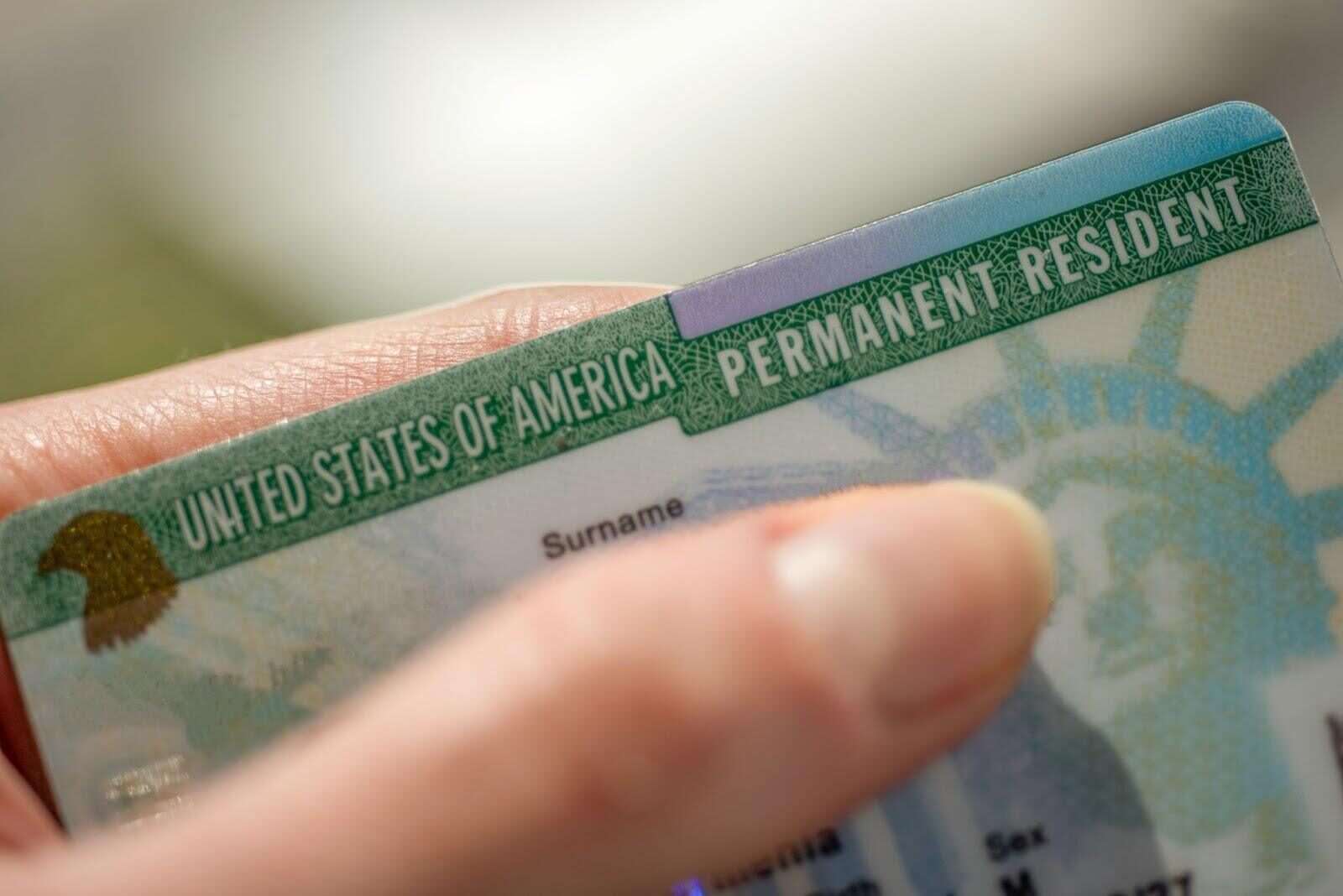
Options to Fix Your Status With the Permanent Bar
The good news is that—even under the permanent bar—you may still have options, especially through humanitarian visas. Today, I’ll focus on the U Visa and VAWA.
-
The U Visa: Protection for Victims of Crimes
The U Visa was created for people who were victims of USCIS-qualifying crimes in the U.S. and who helped (or are willing to help) law enforcement in the investigation.
Basic requirements for the U Visa:
-
Be a victim of a USCIS-qualified crime in the U.S.
-
Show that you suffered physical or emotional harm as a result.
-
Have a police report or certification confirming your cooperation.
With a U Visa, you can obtain:
-
Protection from deportation
-
A work permit
-
Lawful permanent residency, after 3 years with the U Visa status
-
The VAWA Visa: Protection From Abuse
The VAWA Visa protects immigrants who have suffered abuse or mistreatment by a spouse, parent, or child over 21 who is a U.S. citizen or lawful permanent resident.
Basic requirements for VAWA:
-
Prove your relationship to the U.S. citizen or resident (marriage certificate, birth certificate, etc.)
-
Show evidence of physical, emotional, psychological, financial, or legal abuse. This can include testimonies, medical reports, photos, or videos.
-
Provide proof of good moral character.
With VAWA, you can obtain:
-
Protection from deportation
-
A work permit
-
Lawful permanent residency (without waiting years like with the U Visa)
Many of my clients worry about whether applying for VAWA will affect their abuser’s record. The answer is no—VAWA is 100% confidential. Your abuser will never be notified.
Here’s more information about it: Does the VAWA Visa affect the abuser? Find out the truth & benefits.
How to Overcome the Permanent Bar With a U Visa or VAWA
Here’s the key: simply qualifying for a U Visa or VAWA is not enough. Immigration must see a connection between your unlawful entries/exits and the abuse or crime.
For example:
-
If your abusive partner forced you to leave the country or re-enter under difficult conditions.
-
If the consequences of the crime you suffered pushed you to re-enter the U.S. illegally.
This connection shows USCIS that your re-entry wasn’t just “illegal,” but directly tied to abuse, control, or the crime you endured.
Which Is Better: the U Visa or VAWA?
The answer depends on your situation. In some cases, you can even apply for both at the same time.
-
VAWA Visa can be your Plan A if you qualify.
-
U Visa can be your Plan B in case VAWA doesn’t go through.
Having both cases pending increases your chances—even with the permanent bar. But success depends on having a strong, personalized legal strategy from an experienced immigration attorney.
There Is Hope, Even With the Permanent Bar
The permanent bar does not mean the end of your American dream, mi gente. With a U Visa, VAWA, or even a T Visa, it is possible to overcome this challenge. You can fix your immigration status without leaving the U.S. and eventually have a path to permanent residency.
Do you have a permanent bar, or do you want to know if you qualify for one of these humanitarian visas? Schedule a free evaluation with my team today. Every case is unique, and the most important step is not making decisions without legal advice. At The Mendoza Law Firm, we are ready to stand by you every step of the way.
¡La lucha sigue!