The Waiver 212(h), even though not very known, can pardon certain felonies and can provide a way up to permanent residence.
The information contained in this article applies more to people who already have permanent residence, and that, for some reason, are in immigration courts defending their permanent residence.
People can find themselves in situations that take them to problems as part of a dewception, or of misunderstandings with family. Sometimes, if counting with the assessment of not-so-effective attorneys who don’t do everything within their hands to fight for their clients’ rights, some may end up in criminal courts.

This was the situation of one of our clients, who, at the end, kept his permanent residence. This client had many years with the permanent residence. At the time, he wanted to do a favor to a family member, and as part of this favor, he ended up with money laundry charges. After he was found guilty of these charges, he was requested to show up in immigration courts, and around 8 years passed for the resolution of this case, since Immgration Department wanted to remove the permanend residence from him.
In this types of cases where money laundry and other types of felonies exist, there are not many ways to keep the permanent residence.
For certain types of felonies, there is no waiver available, but for some other, such as money laundry, there is an available waiver. This waiver is known as 212(h) Waiver, and is the waiver used for the case used as reference for this article, in order to keep the permanent residence.
How does the 212(h) Waiver work?
Waiver 212(h) can apply for those permanent residence holders who are at immigration courts trying to keep it.
Generally, is for felonies, however, not all felonies qualify. For instance, neither traffic nor posession of drugs qualify under 212(h) waiver, but for those who have other types of felonies, have permanente residence and are fighting to keep their permanent residence, it might be a good idea to talk with an experienced attorney about 212(h) waiver and how does it work.
If someone obtained permanent resience within the US, i.e., did not have to attend to the consulate in Ciudad Juarez or his/her chome country, but his final interview was within the US, and is in the situation in which has a felony on his/her record; he/she might qualify for the 212(h) waiver and for a new permanent residence application. It is worth mentioning that not all felinies qualify for this waiver.
The way whis process works is that it requires from another person that can submit a new petition. It can be either a Legal Resident or US Citizen spouse. It can also be a US citizen son/daughter over 21 years who submits the new close-family-member petition, the popular I-130 petition. Then, the person must apply for a waiver. There is not specific way to apply for this waiver, but it must be demonstrated with merits that the person really deserves another opportunity and deserves to keeo his/her permanent residence within the US.
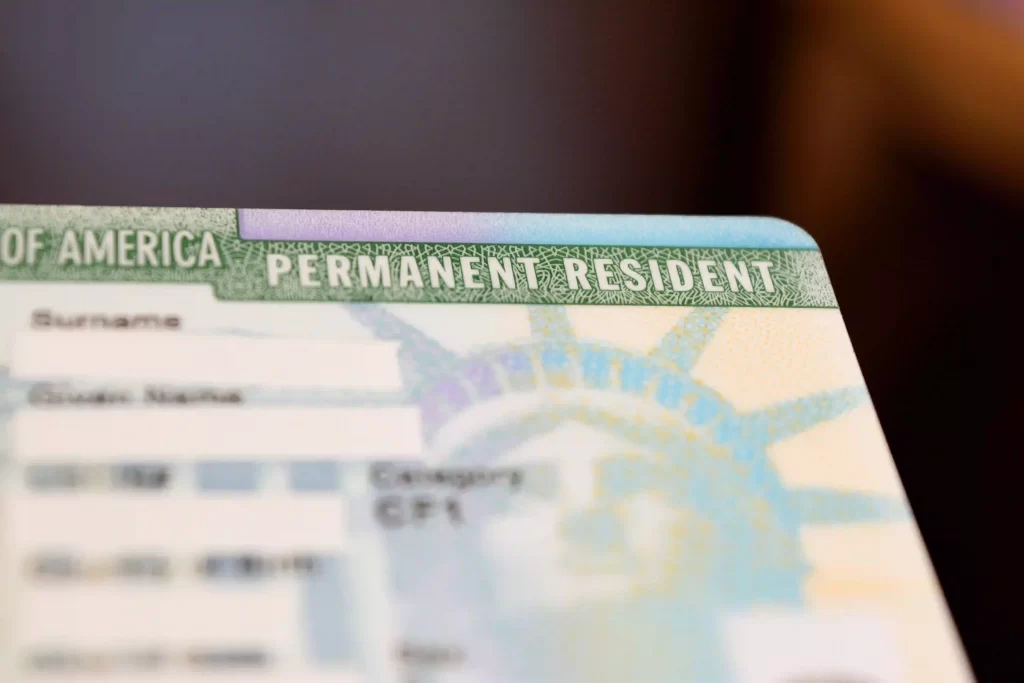
In this type of cases in which there are felonies, it is important to work with a lawyer in order to gather all the required evidence and have a good strategy.
If you find yourself in the situation in which you have permanent residencen and, unfortanely, you ended up with a felony, maybe aggravated felony, therea re no other available waivers and obtained permanent residence within the US, 212(h) waiver can be what you’re looking for.
The 212(h) waiver, which can waive things that other waivers, like the I-601, can’t; is not only for people who have permanent residence. There are other ways to apply for a 212(h) waiver, even in cases of those under a VAWA process.
As you may have noticed, 212(h) waiver represent an option for people who have permanent residence and are fighting their right to keep it.