
Talking about I-601A, which is the waiver filled by those who entered the US illegally. This waiver is filed for unlawful presence, and the person must leave the US in order to have the appointment. It can be in Ciudad Juarez or in the US consulate of your country of origin
What possibilities and risks does a person who needs to leave the US to apply for an I-601A waiver has?
There are different Waivers of Inadmissibility. There are waivers for those who have committed crimes, for those who have problems with the immigration system, among others types of waiver. This is the most common waiver and is the one a person fills to obtain a permanent residence outside of the US.
To apply for this waiver, a person must have an approved I-130 or employment petition. It is then that the I-601A can be applied for.
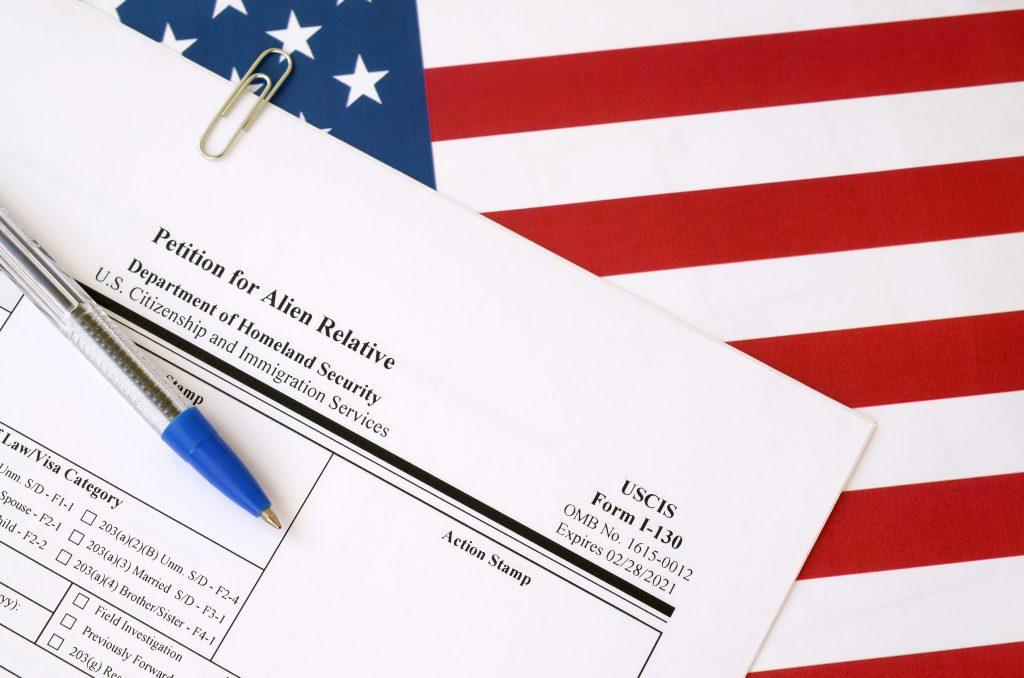
To qualify for the I-601A waiver, a person must have a parent or spouse who is a US citizen or legal resident and could suffer extreme difficulties if the person can not stay in the country.
The process does not end there. To apply for an I-601A waiver, the person must leave the US. It’s common for people applying for this waiver to go to Ciudad Juarez or their country of origin in order to apply for the waiver.
The detail is that not everyone is eligible to obtain permanent residence outside of the US. For some people, there are risks, let’s say, that arise when leaving the US.
Some people will not have any problem obtaining permanent residence outside of the US, but there are others that, given different reasons, if they leave the country they may face a risk, almost warranty, of them not being able to come back. In fact, they could be facing a 10-year or even permanent punishment that will not let them enter the US unless there is a law change.
For a free case evaluation, call +1 (202) 933-3379
What are the most common reasons for which a waiver can be denied for someone out of the US?
One of the reasons is to have criminal records in the US. Someone out of the US can have a waiver denied for having certain types of crime filed in their record.
There could be ways to apply for a waiver even after a case is denied. There could also be no available waivers for such a serious crime as the one in your file. Drug-related crimes are considered serious and unforgivable. It depends on each case. Those who have marijuana possession (less than 30g) in their file could apply for a waiver, but those with cocaine possession will not have ways to apply for the waiver.
Having drug-related crimes in your file could be a reason why a waiver could be denied even after leaving the US.
Now, if your case is denied for a crime in your file, depending on the type of crime, you could apply for another waiver. This would be another process that could extend your time out of the US.
Another reason for which a person could have a waiver denied is to have entered the US illegally with another person. Maybe you entered illegally with your children, or with your spouse in search of a better life quality for your family. The problem is that immigration could consider this as “coyote” activity depending on the relation between you and that person.
If it was your son, daughter, or spouse, there are ways to apply for the waiver. Now, if it was a friend, if you entered illegally with this person as part of a business, or if you received a payment to help this person enter the country illegally, you could be left out of the US.
Another thing to be careful with is parents. Entering illegally with your children could make your case to be denied for considering you a “coyote”. There is a waiver available for this situation, but it would be a waiver over the waiver you are already applying for. Consider that these processes take time.

If a person is under punishment for falsely self-identifying as an American citizen, it can also have a waiver application denied. Those who, after September 96, entered the US with someone else’s passport, and those who used American-citizen documentation to obtain a driver’s license or other types of federal benefit, are also at risk of permanent punishment without an option to apply for a waiver.
Those who, after April 97, count with a year of unlawful presence, a removal order, or entered illegally to the US one or more times, also are at risk of permanent punishment.
If you don’t know how this punishment works, it’s recommendable to avoid advice from lawyers without experience in immigration law. Remember you are facing a possible 10-years or even permanent punishment.
As mentioned before, among the requirements to qualify for this waiver is to count with a parent or spouse who is a US citizen or legal resident and will suffer extreme difficulties if you can’t stay in the country. If a person meets this requirement, he or she could apply to obtain migratory documents approval out of the US.
It is recommended to go through this process with the help of an immigration attorney, as you will have to leave the US, and, even if have an I-601 approved, when attending the appointment, you could have your case denied for some other reason. It is recommended to go through this process carefully.
Call or text +1 (202) 933-3379 or complete a Free Case Evaluation form