


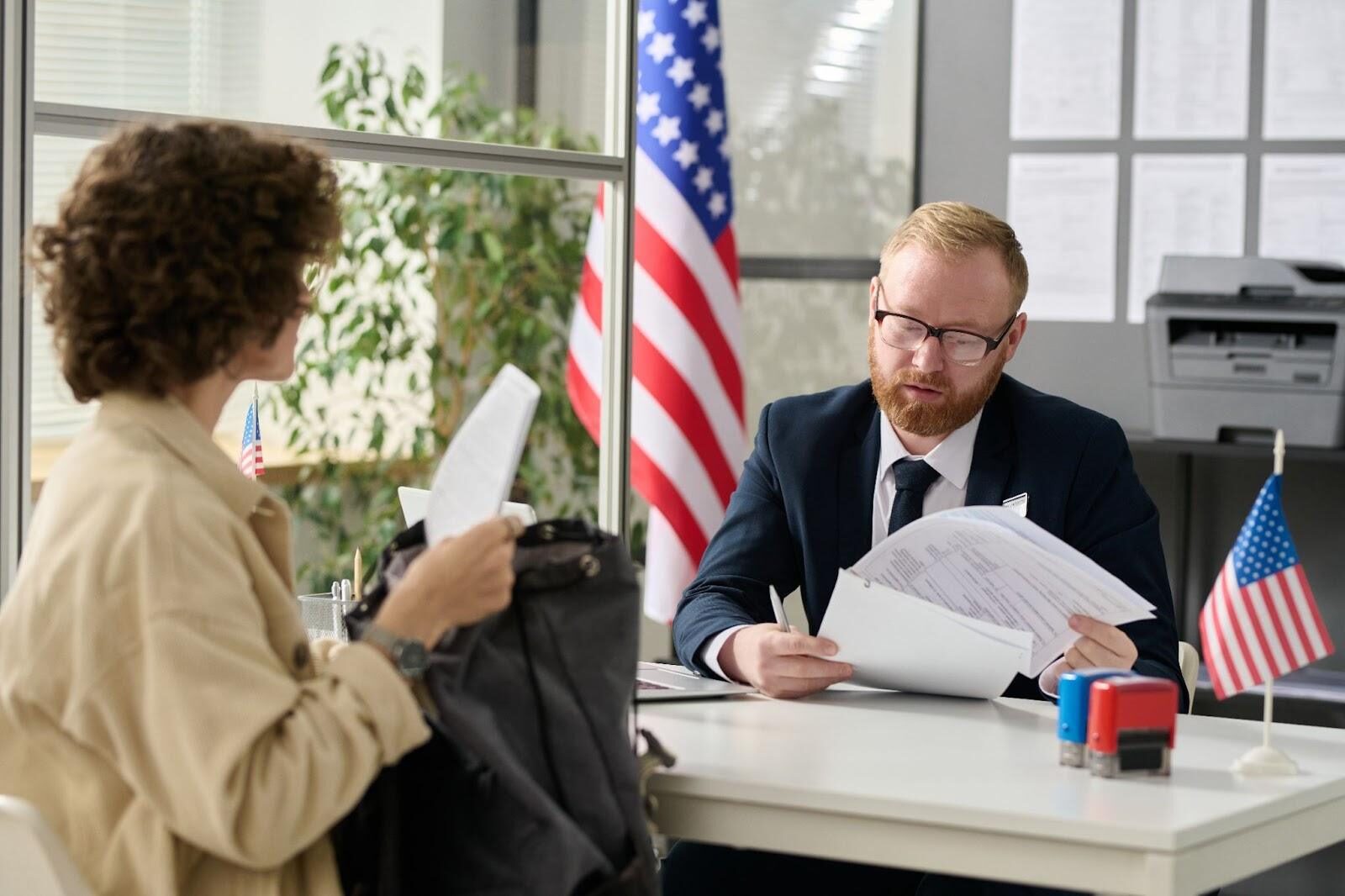
Hola mi gente, everyone! Attorney María Mendoza here. Today, we’ll be discussing one of the most popular processes for people seeking to regularize their immigration status in the United States after entering illegally—the I-601A process. Below, we’ll detail the requirements and risks associated with this process.
What is the I-601A waiver, and how does it work?
The I-601A waiver process is designed for those who have entered the United States illegally and wish to adjust their immigration status without being subject to a reentry ban. This process involves leaving the United States and attending an interview at a consulate, usually in Ciudad Juarez, Mexico. However, this is not a simple procedure; it can take up to five years to complete, making it a last resort for many immigrants.
Related topic: The I-601A waiver for unlawful presence
For a free case evaluation, call +1 (202) 933-3379
Requirements to apply for the I-601A waiver
To be eligible for the I-601A waiver, the applicant must meet specific requirements. One of the main criteria is having a close family member—spouse, husband, or parent—who is a U.S. citizen or legal resident. This family member must demonstrate that they would suffer extreme hardship if the applicant does not receive the waiver. It is important to note that U.S.-citizen children over 21 cannot be used as a basis for applying for this waiver. This detail is crucial to avoid misunderstandings during the process.
Stages of the I-601A waiver process
The I-601A waiver procedure is divided into several phases, each of which can take several years. Here are the main stages:
-
I-130 petition: The first step is to file a family petition (Form I-130), which typically takes about a year to be approved. This petition establishes the family relationship needed to proceed with the waiver.
-
I-601A Waiver application: Once the I-130 petition is approved, the I-601A waiver can be requested, a process that can take two to three years. This is one of the longest stages of the process.
-
Consular appointment: After the waiver is approved, the next step is a consular interview outside the United States, which may add another two to three years to the process.
Click to contact our immigration lawyers today
Risks of leaving the United States for the consular appointment
The I-601A process is not without risks. When applicants leave the United States for the consular interview, they may face various challenges that could jeopardize their return. Some of the most common risks include:
-
Denial due to tattoos: In some cases, tattoos may be associated with gangs or criminal activity, leading to a waiver denial, especially in locations like Ciudad Juarez, Mexico.
-
Permanent bar: If a person has been in the United States illegally for more than a year after April 1, 1997, and then returns illegally after leaving, they may face a ten-year bar with no possibility of reentry.
-
False claim to citizenship: Falsely claiming to be a U.S. citizen or using fraudulent documents during the process can result in a permanent waiver denial.
-
DUI: Those with a history of driving under the influence of alcohol or drug-related issues (DUI) may have their cases rejected at the consular interview.
Related topic: Why might immigration deny the waiver?
Complete a Free Case Evaluation form now
The importance of consulting with an immigration attorney
The I-601A process is complex and risky, and it is recommended that applicants consult with a specialized immigration attorney before starting the process. An attorney can assess the case appropriately, identify potential obstacles, and guide applicants throughout the process.
The I-601A process is a valuable tool for those seeking to regularize their immigration status in the United States, but it is not without challenges. The process can take up to five years and is filled with significant risks, especially for those with criminal backgrounds or prior immigration issues. At The Mendoza Law Firm, we have over 14 years of experience. If you or someone you know is in this situation, don’t hesitate to contact us.
¡La lucha sigue!