What are Humanitarian Visas, what are their benefits and what are the requirements to apply for Humanitarian Visas?
It can happen frequently, during consults with Immigration Lawyers, that immigrants expose how they have years, sometimes even decades, trying to fix their migratory status. Sometimes, cases become complicated due to unlawful entrances, previous deportations, or being under the permanent bar.
It is important to consider that the permanent bar applies to some people, not everyone; who have unlawful entries and exits from the US after being deported. Certain people who entered the US unlawfully and who have only US citizen children, but don’t have a US citizen or legal resident spouse nor parent, and are under the permanent bar, can get spend a lot of money with immigration lawyers, many of who end up telling them that there is no way to fix their migratory status. An inexperienced lawyer or notary will try to make a person with a difficult case visit either the Ciudad Juarez or their home country US consulate for the interview.
The consequences of going to Ciudad Juarez, or leaving the US at all, for the interview at the consulate can be hard if the person does not meet the requirements for leaving the US and obtaining a waiver of inadmissibility (pardon).
Not many people know about Humanitarian Visas, and that there are specific requirements for Humanitarian Visas. Humanitarian Visas, which are the U visa, the T visa, and the VAWA visa, can pardon things that an I-130 request cannot. Bear in mind that I-130 is the petition which is submitted by a +21-years -old US citizen or legal resident spouse or children.

For certain people who entered the US unlawfully and that must leave the US for an interview either at Ciudad Juarez or their home country consulate, this option might not work, since leaving the US would imply a 10 years bar. It doesn’t apply to everyone, but those cases with previous deportations or permanent bar caused by more than one unlawful entrance to the US, are not cases where leaving the US is actually an option.
This is where Humanitarian Visas come into play. Humanitarian Visas can provide a way to fix migratory status without leaving the US, and obtaining a work permit during the time the case is still pending.
Humanitarian Visas, the T visa, the U visa, and the VAWA visa can pardon things that a regular procedure, the one via I-130 petition, does not pardon.
There are ways to fix a migratory status that can lead up to a permanent residence if being under the permanent bar. Even if a person has previous deportations, there are ways to get a migratory status that can take you up to permanent residence even when the bar is due to a false declaration of being a US citizen.
Humanitarian Visas can provide a way to fix migratory status without leaving the US, and obtaining a work permit during the time the case is still pending.
For instance, maybe through the T visa, permanent residence can be achieved, but for someone applying via VAWA, there are other requirements.
Humanitarian Visas

For a free case evaluation, call +1 (202) 933-3379
U Visa
It is thought for people who are the victim of specific type of crimes within the US, and that help police enforcement with information about that crime. If you were the victim of certain types of crime within the US, and help the police enforcement with information about that crime, this can provide a way to fix the migratory status without leaving the US through a U visa. A work permit, social security number, and driver’s license can be obtained in a year approximately, besides opening the way for permanent residence.
Click to contact our immigration lawyers today
Complete a Free Case Evaluation form now
VAWA Visa
For VAWA applications, there are specific requirements. It applies to people who are married to a US citizen or legal resident, or for those who have a +21 years US citizen or legal resident son/daughter. VAWA, despite having entered the US unlawfully, being under permanent bar due to unlawful entrances and exits, having previous deportations, and having entered the US unlawfully again after that deportation order; can provide a migratory status that can lead up to permanent residence.
Now, VAWA is not only based on having a +21 years US citizen or legal resident son/daughter, nor in having a US citizen or legal resident spouse. Those are just some of the most important requirements for VAWA applications; however, another requirement just as important is to demonstrate having experienced some kind of mistreatment coming from your US citizen son/daughter, or from your US citizen or legal resident spouse (or ex-spouse).
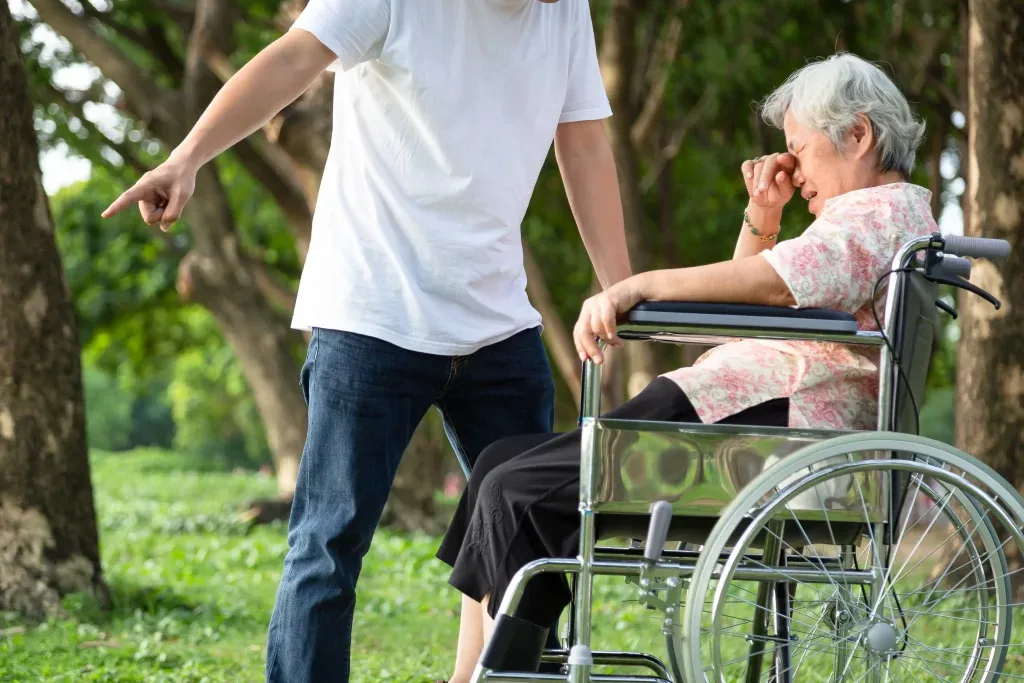
In the US, what is considered mistreatment is quite wide, and can include certain elements that some people might not consider mistreatment. A person can have the opportunity to fix his/her migratory status through a spouse who is a US citizen or legal resident, due to marriage troubles. For instance, that his/her spouse refuses to help him/her become a legal immigrant. It can happen that the spouse states things like “You are marrying me only for interest. I will never help you become legal”, and that every time an argument comes up, the spouse threatens on calling immigration, or pressing false charges before the police, or to separating you from your children.
It can happen that every time an argument comes up, the US citizen or legal resident insults the immigrant and wants to control him/her. If being at work, your spouse is constantly calling you, wants to check on your messages, has constant video calls to make sure you are indeed at work, or even has a chip either in your phone or your vehicle; for some people, this might not sound as mistreatment. However, these facts can give a person a way to obtain a migratory status that can lead up to permanent residence.
FAQ about Humanitarian Visas
How to qualify for a visa?
There are different types of visas, and each one has specific requirements in order to qualify. Work visas, for instance, generally apply for people abroad, and that have not fallen into unlawful presence. That is to say, they have not spent more than six months living in the US and have a work offer in the US. It generally applies to specific career paths and industries. It is always a good idea to talk with an immigration lawyer at the moment of applying for a work visa.
How long does it take to get a work permit via VAWA?

If you are applying for documents through an Adjustment of Status, or if you can submit the VAWA application along with the permanent residence application, often, work permits will take from six to eight months, sometimes more. By submitting the VAWA application alone, it can take up to 3 years for the petition to be approved. Unfortunately, at this point, VAWA cases are a bit delayed when are via spouses.
My ex-spouse was violent during our marriage. Do I qualify for a Humanitarian Visa?

If a person has less than two years of having divorced from a legal resident or US citizen and goes through a mistreatment situation, there is a way to become a legal immigrant via VAWA. VAWA is a self-petition. Your ex-spouse doesn’t have to sign any document or show up at any interview with immigration. Neither he/she will get a notice, since it’s a fully confidential process. In fact, your spouse doesn’t have anything to do with the submission, since is the beneficiary who submits the application for documents via VAWA.
I was death-threatened with a gun by a US citizen and submitted a police report. Do I qualify for a U visa?
Certain threats can be classified under a category that allows fixing the migratory status through the U visa. The first part of a U visa process is getting to the police department and signing a declaration that explains how were you a victim of a crime within the US, and stating that you will help the police enforcement with information about that crime. First is the police report, and from there, communicate with the police department to see if they can sign that declaration.
I was deported because I was the co-pilot. I was considered a coyote and deported along with another person. Can I get a pardon and fix my migratory status?
It is important for you to consult with an immigration attorney if charges were of alien smuggling. Unfortunately, in most cases, this ends up as an aggravated felony and will imply a penalization. In order to fix migratory status through VAWA when there are felonies in the way, mainly if it was an aggravated felony, it is important that an immigration lawyer checks on the full file to make sure there is no penalization that will be a problem when submitting the application.
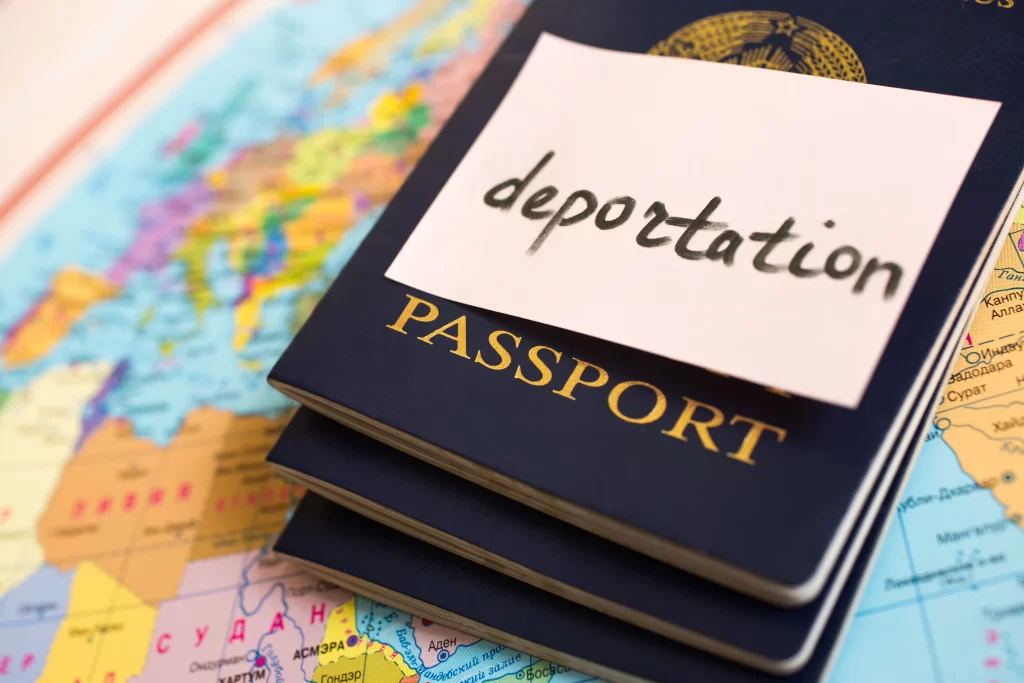
A reason why US citizen son/daughter parents struggle so much to fix their migratory status is due to an unlawful entrance to the US and not having a way to ask for pardon at Ciudad Juarez or their home country consulate. If it’s not married to a US citizen or legal resident nor has a US citizen or legal resident parent, US law provides no way to fix migratory status.
Now, this is in case of not being protected under 245-I law. 245-I law consists of a person who has a petition filed before April 30th of 2001 or a person who has a spouse or son/daughter who is or was an active member of the US Army.
If not having any of these, some lawyers might think that there is no way to fix migratory status. Also, it will not be possible to leave the country to get to Ciudad Juarez or the immigrant’s home country consulate, due to the fact that, in case the immigrant leaves the US, it’ll imply a 10-years-bar, losing the possibility of getting back to the US.
It doesn’t mean that there is no hope, or that there is no way to become a legal immigrant in these situations. There are ways to fix the migratory status without leaving the US and even have a work permit when the case is still pending.
VAWA can apply to people with +21 years US citizen sons or daughters, who entered the US unlawfully. There are more requirements, not just the fact of having a +21 years US citizen son/daughter. It must be demonstrated that is suffering mistreatment from a +21 years US citizen son/daughter. It is a process that doesn’t affect your son/daughter in any way. Your son/daughter ends up with a clean record.
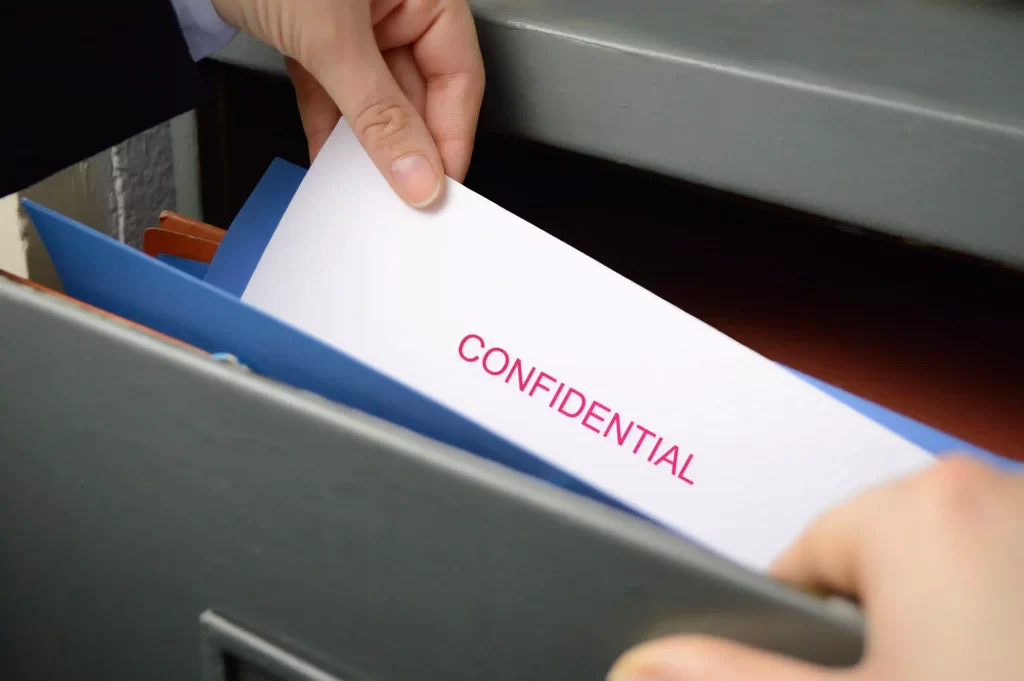
Also, the procedure is completely confidential. It is a procedure between the beneficiary and the lawyer. The only other people to know about it are those who the beneficiary chooses to tell that is submitting a VAWA application. The only other person involved is the immigration officer. This information is not publicly accessible.
Bear in mind that what is considered mistreatment in the US is different from what is considered mistreatment in certain countries. For some people, mistreatment implies physical violence necessarily; and even though that is a type of mistreatment in the United States, what is considered mistreatment in the US is wider than that and can include things that certain people might not consider mistreatment. For instance, it can be considered mistreatment that your son/daughter, a +21 years adult, acts rebel and constantly asks for money for his/her vices and that every time he/she gets a no, he/she starts yelling and insulting. It might even happen that he/she subtracts money from your stuff to afford his/her vices provoking you to evade talking to him/her for being afraid of him to explode and start the mistreatment again.
These kinds of stuff, without harming your son/daughter and in a fully-confidential way, can give a way to fix the migratory status without leaving the US. If have had experiences like these, it is important to talk with an immigration attorney, since if you decide to enter the US unlawfully and have no protection under law 245-I, a son/daughter or spouse who is or was in the US army, a US citizen or legal resident parent or a spouse, nor were you the victim of a crime in the US; this can be the only way to fix the migratory status.
Call or text +1 (202) 933-3379 or complete a Free Case Evaluation form